Hedge Trimming in Dalston for neat, healthy garden boundaries
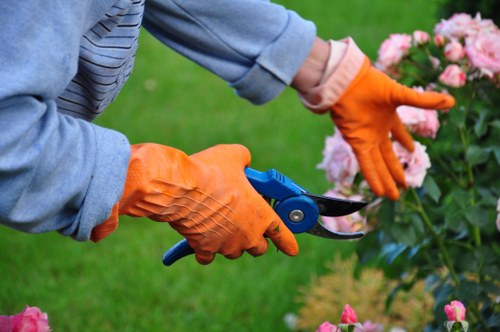
Hedge trimming in Dalston should do more than shorten growth. Done well, it shapes boundaries evenly, keeps lines clear along paths and front gardens, and helps hedges hold a dense, tidy structure through the season. We provide a focused hedge trimming service for domestic gardens and other outdoor spaces where a clean finish, sensible shaping and careful waste handling all matter. The work is suited to regular maintenance as well as hedges that have grown beyond their best form and need a measured reduction.
Our approach is practical and controlled. We trim with the shape of the hedge in mind, removing soft new growth, reducing overhang where needed and refining the profile so that the hedge looks balanced from both sides. Good trimming is not simply cutting back hard; it is about protecting the plant while improving its appearance. If you are comparing service options, you can also view our services overview and then ask for a quotation when you are ready.
We work with common garden hedges that are grown for privacy, screening or simple boundary definition. That can include formal, straight-edged hedges that benefit from crisp lines, or more relaxed shapes that still need a controlled finish. Where access is straightforward, work can often be planned around a full run of hedge rather than tackling only the obvious top growth, which helps achieve a more even result. The aim is a smart, consistent edge that supports the hedge rather than fighting it.
Regular hedge maintenance and seasonal trimming
Routine hedge maintenance keeps growth manageable before it becomes unruly. For many gardens, lighter but regular trimming is preferable to waiting for a hedge to spread too far into a pavement, driveway or neighbouring space. We can maintain the current shape, reduce soft extensions and keep the top line level so the hedge continues to look intentional rather than overgrown. This is especially useful where a hedge forms a visible frontage and needs to stay presentable through the year.
Seasonal timing affects the kind of cut a hedge needs. Some hedges respond best to frequent trimming to preserve a compact finish, while others need a more careful pace so the plant retains density and does not become patchy. We therefore adapt the work to the hedge type, its condition and the look you want to keep. If you are planning wider garden work, our garden maintenance page explains how hedge care can sit alongside other routine tasks.
In practice, maintenance trimming often involves three simple priorities:
- keeping the hedge line tidy and readable from the outside
- controlling spread so paths, gates and borders remain usable
- avoiding harsh cuts that leave the hedge sparse or uneven
Shape, height and a controlled finish

Not every hedge should be treated in the same way. Some need a straight, formal profile with a clear top line; others look better with slightly softened edges that match the garden layout. We shape hedges so that the finished result feels deliberate, not clipped at random. That includes careful attention to corners, taper and height, because a hedge that is narrower at the top and fuller at the base often keeps light reaching the lower growth more effectively.
Height reduction is sometimes required when a hedge has outgrown its intended role. In those cases, the objective is to lower the hedge in a way that still leaves it balanced and serviceable. A controlled reduction can improve light, reduce shading and make future maintenance easier. If a hedge is especially mature or has not been trimmed for some time, it may need a gradual approach rather than one severe cut, and we can discuss what is realistic for the plant in its current state.
For customers weighing up different outdoor improvements, landscaping and related garden work can help create a more coherent overall result. However, hedge trimming remains a specific craft in its own right: the value lies in accuracy, restraint and an eye for proportion. Neat edges, level tops and well-managed side faces all contribute to a finish that looks intentional and settled.
Hedge trimming for access, frontage and boundary control
Many hedge trimming jobs are about keeping everyday access clear. A hedge that leans into a path, narrows a gate opening or spills over a drive can make simple movement awkward and visually untidy. Trimming can restore the usable width of a route while improving the overall look of the boundary. This is useful at front gardens, side returns and shared edges where a defined line helps the space feel orderly and easier to maintain.
Boundary hedges also need a neat relationship with fences, walls and other garden features. If a hedge has been allowed to spread unevenly, the result may be a lopsided profile with one side heavier than the other. We can reduce this kind of imbalance by trimming both the outer face and the top in a measured sequence. Where relevant, our garden clearance page may also be useful if the hedge area includes cuttings, dense growth or surrounding material that needs clearing away as part of the job.
Good boundary work depends on steady judgement. A hedge that serves as screening may need enough density to remain effective, while a hedge beside a narrow passage may need a slightly tighter finish for practical reasons. We take the hedge’s role into account before cutting so that the result is not only tidy on the day but also workable over time.
How we plan a hedge trimming job

Hedge trimming is best planned with the hedge’s current condition in mind. Before work begins, it is helpful to know the hedge type, approximate length, height and any areas of difficult access. That allows the cut to be shaped sensibly rather than treated as a one-size-fits-all task. We then consider whether the job calls for a light tidy, a firm reduction or a more careful recovery trim after a period of growth has been left unchecked.
Two practical details often make the difference to an efficient visit. First, clear access along the hedge line helps the work proceed evenly from end to end. Secondly, if there are gates, fragile planting or fixtures close to the hedge, it is useful to point these out in advance so the trim can be planned around them. If you are ready to compare options and prepare the job properly, see our pricing and quotes page and then ask for a quotation in your own words.
We aim to keep the process straightforward. The main questions are usually what finish you want, how much the hedge needs to come down and whether the hedge should be restored to a straight line or given a softer shape. Once those points are clear, the work can be adapted to the hedge rather than forcing the hedge into a generic pattern.
Cutting back overgrown hedges carefully
Overgrown hedges need patience as well as cutting power. If a hedge has thick outer growth, hidden dead material or a shape that has drifted over several seasons, the right response is usually controlled reduction rather than aggressive removal. That preserves the hedge’s structure while bringing it back within sensible limits. We pay attention to the way the hedge fills out from the base upward, because cutting too hard in the wrong places can leave bare sections that take time to recover.
In some cases, trimming is only one part of restoring order to the garden. If a hedge has encroached on adjoining beds or produced a large volume of material, a follow-up tidy-up may be needed so the whole border reads clearly again. Where tree work is involved elsewhere in the garden, our tree lopping and removal page covers a separate type of work, but hedge trimming remains the right choice for maintaining the controlled form of hedges themselves.
We do not treat all overgrowth as a reason for the same cut. The existing shape, the hedge’s vigour and the intended final height all influence what is sensible. That measured approach helps protect the hedge while restoring the lines that make it look cared for. Careful reduction is often better than dramatic shortening when the aim is a lasting improvement rather than a temporary fix.
Waste handling and the finish after trimming
After trimming, the finish matters just as much as the cut itself. Stray clippings on the lawn, path or border can make the work look unfinished even when the hedge line is accurate. We therefore allow for a proper tidy-up once the trimming is complete, gathering the material generated by the cut and leaving the surrounding area ready for normal use. The result should feel complete rather than half-done.
For many customers, the amount of cut material is a practical part of the job. Light maintenance trimming produces modest waste, while a hedge that has grown larger or thicker may generate far more. If waste removal is likely to be significant, it is useful to mention that when asking for a quotation so the work can be planned sensibly. Our recycling and sustainability page gives a broader view of how garden waste is handled within the business where relevant.
The site itself should also be left in a usable condition. That means keeping attention on paths, edges and nearby surfaces so the hedge work does not leave a mess behind. A tidy end result is part of the service, not an afterthought, because the appearance of the hedge and the cleanliness of the surrounding space are both visible signs of good workmanship.
Choosing the right hedge finish for your garden
Different gardens call for different finishes. A formal frontage may need a sharper silhouette, especially where the hedge frames a drive or entrance. A back garden hedge may be better suited to a slightly softer profile that still looks intentional but feels less rigid. We can trim with those differences in mind, aiming for a finish that suits both the hedge species and the way the space is used. That avoids the common problem of a hedge that has been cut neatly but without regard to its setting.
Some customers want a simple ongoing maintenance cut, while others are looking for a one-off recovery trim to get the hedge back under control. Both are valid, but the work differs in emphasis. Maintenance is about preservation; recovery is about restoring shape and proportion. If you are considering complementary garden improvements, our decking services and lawn mowing pages may help you think through the wider garden picture, though the hedge cut itself remains the central task here.
What matters most is that the result matches the hedge’s role. Privacy hedges need density and continuity. Decorative hedges need clean lines. Long boundary hedges need consistency along their full length. By focusing on the purpose of the hedge first, we can choose a finish that supports the garden rather than imposing a style that does not belong there.
About Dalston
Dalston is an area in the London Borough of Hackney in east London, known for its layered mix of residential streets, transport connections and a long history of urban change. The name is associated with a settlement that developed from the late medieval period and later became part of London’s outward expansion. Today the area is generally understood around Dalston Junction, Dalston Kingsland and the surrounding streets, with the local character shaped by busy high streets, Victorian and later housing, and a strong pattern of small-scale commercial activity. The railway and Overground stations made the district increasingly connected in the nineteenth and twentieth centuries, and that transport role remains central to how the area functions now.
Dalston sits within a part of London that has seen repeated redevelopment, yet many traces of earlier building patterns still remain in side streets and terraces. The area includes a mix of architectural periods, from older houses and shopfronts to newer residential and mixed-use schemes, creating a varied streetscape rather than a single uniform style. Landmarks and public places such as Dalston Square, Ridley Road Market and the railway corridors contribute to its identity, while the wider borough context places it close to other well-known east London districts. Cultural life has also been a defining feature, with venues, independent businesses and community spaces helping to give Dalston a lively and diverse reputation. Its roads, rail links and local centres all support a busy urban atmosphere that is distinctly different from quieter suburban settings.
Why a tidy hedge line makes a difference

A hedge does a lot of quiet work in a garden. It can screen, soften, divide or frame, but only if it is kept in proportion. Once a hedge becomes ragged, too tall or too wide, it can dominate the space and obscure the effect it was meant to provide. Regular trimming brings that back under control and helps the rest of the garden read more clearly. The visual gain is often immediate, because edges and boundaries become sharper and easier to follow.
It is also easier to maintain a hedge that has been trimmed sensibly than one that has been left to recover from neglect in a single cut. That is why a measured approach is usually the best one: it supports healthy growth, improves appearance and makes the next maintenance visit simpler. If you are considering hedge work alongside broader garden care, our about us page gives more background on the business, while the most direct next step is to ask for a quotation based on the hedge you want trimmed.
For a neat, practical result in Dalston, send over the basic details of the hedge and the finish you want, and we will take it from there. Whether you need a routine tidy, a shape correction or a careful cut back, the right hedge trimming service should leave the boundary looking balanced and ready to grow on well. Please get in touch when you are ready for a quote.