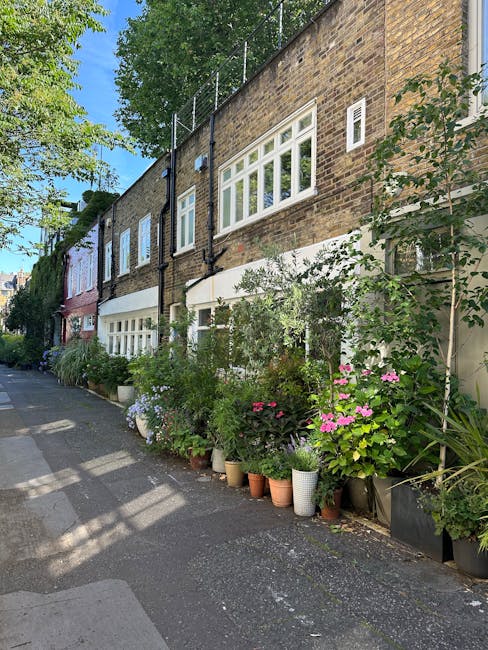
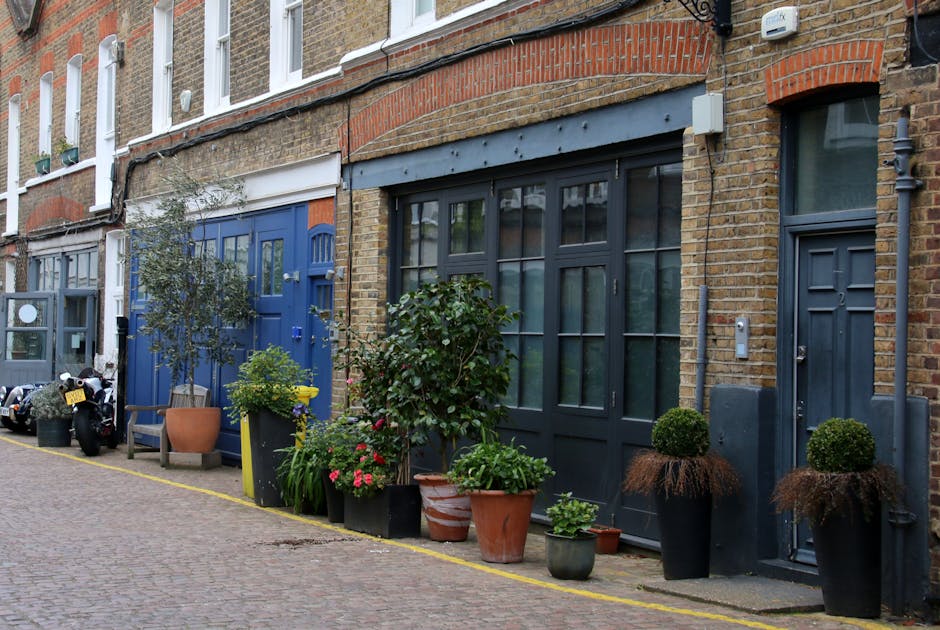
Dalston Kingsland gardeners for small courtyard gardens: a practical local guide
Small courtyard gardens can be brilliant. They can also be awkward, damp, shady, overlooked, and just a bit fiddly. If you live in or around Dalston Kingsland, you'll know the kind of space I mean: a compact outdoor area tucked behind a terrace, maybe with brick walls, a patch of sun for half the day, and not much room to swing a watering can without knocking over a pot. That is exactly where Dalston Kingsland gardeners for small courtyard gardens make a real difference.
This guide is for homeowners, landlords, renters with permission, and anyone trying to turn a tight London courtyard into something calm, green, and usable. We'll look at what good courtyard gardening actually involves, how local gardeners approach these spaces, the most common mistakes, and the practical decisions that matter before you spend time or money. And yes, we'll keep it grounded. No grand garden fantasy nonsense.
Whether you want a low-maintenance planting scheme, a more stylish entertaining space, or simply a healthier garden that doesn't look tired by mid-July, the right support can help. In a small space, every plant, surface, and litre of water counts.
Table of Contents
- Why Dalston Kingsland gardeners for small courtyard gardens Matters
- How Dalston Kingsland gardeners for small courtyard gardens Works
- Key Benefits and Practical Advantages
- Who This Is For and When It Makes Sense
- Step-by-Step Guidance
- Expert Tips for Better Results
- Common Mistakes to Avoid
- Tools, Resources and Recommendations
- Law, Compliance, Standards, or Best Practice
- Options, Methods, or Comparison Table
- Case Study or Real-World Example
- Practical Checklist
- Conclusion
- Frequently Asked Questions
Why Dalston Kingsland gardeners for small courtyard gardens Matters
Small courtyard gardens are not just "mini gardens". They behave differently. Space is tight, drainage can be poor, light can be patchy, and every design decision is visible from the house. That means the margin for error is smaller. A plant that grows too fast can dominate the whole area. A badly placed pot can block a route. A poor surface choice can make the space feel cramped or slippery.
Dalston Kingsland has its own practical quirks too. Many homes nearby sit in dense urban streets with neighbouring walls, limited side access, and a mix of old and newer brickwork. Courtyard spaces in this kind of setting often need a gardener who understands how to work with constraints rather than fight them. That could mean selecting shade-tolerant planting, improving soil in containers, or creating structure with trellis, raised beds, and vertical planting.
To be fair, the best small courtyards often look simple. But "simple" is rarely accidental. It's usually the result of careful planning, regular maintenance, and a few smart design choices that make the space feel bigger than it really is. Good gardeners know how to make that happen without making the garden feel overdone.
If you're also comparing broader garden care help, it can be useful to look at related services such as routine garden maintenance or more focused planting design support. Those services often overlap in compact urban gardens, where maintenance and design need to work together from day one.
How Dalston Kingsland gardeners for small courtyard gardens Works
A strong courtyard gardening service usually starts with observation. Not a sales pitch. Observation. Where does the light fall in the morning and late afternoon? Where does water collect after rain? Which walls are warm, which are cold, and which area gets the neighbour's washing line shadow for half the day?
From there, the gardener normally breaks the job into a few practical stages:
- Site assessment - checking access, light, drainage, privacy, existing soil or containers, and the current condition of paving or timber.
- Clearance and reset - removing dead growth, weeds, damaged pots, and clutter so the space can be properly judged.
- Design decisions - choosing a layout, planting style, and maintenance level that fits how you actually use the space.
- Soil and planting preparation - improving poor ground, refreshing compost, replacing tired containers, or adding raised planters where needed.
- Installation and shaping - planting, pruning, training climbers, setting up supports, and making sure the space feels balanced.
- Aftercare plan - watering routines, seasonal pruning, feeding, pest checks, and a realistic maintenance schedule.
That last bit matters more than people think. A small courtyard garden is easy to overwhelm with enthusiasm at the beginning and then neglect later. A good local gardener helps you avoid that cycle. They build a garden that can actually be lived with, not just admired for a week in spring.
In practical terms, this might mean mixing evergreen structure with a few seasonal plants, using vertical growing to save ground space, and choosing containers that don't dry out too quickly. It may also mean keeping the hard landscaping simple so the planting has room to breathe. A courtyard with five competing focal points usually feels smaller, not better. Funny how that works.
Key Benefits and Practical Advantages
There's a reason people in compact London properties keep coming back to courtyard-specific gardening help. The gains are real, and they're not just cosmetic.
- Better use of space - every square metre is planned deliberately, so the garden feels useful rather than leftover.
- Improved light and movement - clever planting and layout can make even a narrow courtyard feel more open.
- Lower maintenance where needed - if you want easy care, that can be designed in from the start.
- Healthier planting - the right plants in the right conditions usually means fewer failures and less replacement cost.
- More privacy - screening with climbers, bamboo alternatives, trellis, or layered planting can soften overlooked spaces.
- Better year-round appeal - structure, evergreen planting, and seasonal interest keep the space from looking bare in winter.
One overlooked benefit is confidence. If your courtyard has felt like a problem area for years, even a small transformation can change how you use the whole home. People sit outside more. Windows are opened more often. The garden stops being "that bit out back" and starts becoming part of daily life. Simple, but powerful.
If you need a little more help getting clear on maintenance options, a page like lawn care and garden upkeep can be useful even for non-lawn spaces because it often explains seasonal routines and the sort of ongoing care many urban gardens need.
Who This Is For and When It Makes Sense
This kind of gardening service is especially useful if your courtyard is too small, shady, or awkward for broad, general garden advice. Not every outdoor space needs a grand redesign. Sometimes it just needs someone who understands the realities of a tight urban plot.
You may be a good fit if:
- Your garden is compact, enclosed, or mostly paved.
- You want a greener space but don't have time to manage it every week.
- Your current planting looks tired, overcrowded, or uneven.
- Drainage or damp is making things difficult.
- You want privacy from neighbouring windows or upper-storey views.
- You're preparing a property for sale or letting and want the outdoor space to feel cared for.
- You've got a vision, but not the technical know-how to pull it off properly.
It also makes sense if you've tried the DIY route and hit the same wall again and again. Maybe the sunniest corner burns everything to a crisp by August. Maybe the shaded side is full of moss and nothing seems to thrive. Maybe the whole thing looks decent in April and a bit sorry for itself by September. That's not unusual. It just means the space needs a smarter system.
If you manage more than one outside area, or if your courtyard connects to a front or rear space, related support such as garden clearance and hedge trimming can help keep the overall look tidy and coherent.
Step-by-Step Guidance
If you're planning to work with a gardener, or simply want to understand what a thoughtful courtyard makeover involves, this is the basic process worth following.
1. Start with how you want to use the space
Do you want somewhere to sit with coffee in the morning? A bit of greenery you can enjoy through the kitchen window? A space for herbs and containers? A courtyard can't be all things at once, so start with the real use case. This sounds obvious, but many small gardens go wrong because people design for a mood board instead of daily life.
2. Measure the space and note the constraints
Record width, depth, access points, overhead cover, and any fixed features. Take photos at different times of day if possible. In small spaces, a few centimetres matter. Seriously, a lot. That awkward corner that "looks fine" can become the bottleneck that ruins the whole layout.
3. Work out the light and moisture pattern
Courtyards often have inconsistent conditions. One area may stay damp because rain never reaches it properly, while another dries out fast against a warm wall. Match planting to those zones rather than treating the whole space as one bed. Shade-loving ferns, hardy geraniums, and evergreen structure plants often do well in enclosed gardens, while sunnier pockets can support Mediterranean-style planting or pollinator-friendly perennials.
4. Choose a layout before choosing plants
People often do this the other way round. A better order is: route, seating, storage, then planting. Where will you walk? Where will you stand to water? Where do bins, bikes, or a small table need to go? A courtyard that works feels calm because the movement is easy.
5. Decide what needs to be permanent and what can be flexible
In a tiny garden, built-in structure helps. Trellis, raised beds, and fixed planters can anchor the design. Then use movable pots for seasonal colour. That balance keeps the garden from feeling rigid while still giving it shape.
6. Install in the right order
Hard surfaces and supports first, then soil improvement, then planting, then finishing touches. If you plant before you sort drainage or surfaces, you'll likely end up moving things twice. Nobody enjoys that.
7. Build in a maintenance rhythm
Weekly checks, monthly tidying, and seasonal reshaping are usually enough for a modest courtyard if the design is sensible. A gardener can often set this up for you or visit periodically. If you're comparing options for ongoing support, it may also help to review seasonal garden care so you know what should happen across the year.
Expert Tips for Better Results
These are the kinds of details that tend to separate a decent courtyard from one that feels genuinely considered.
- Use height carefully. Vertical planting can save floor space, but too much of it can make a courtyard feel boxed in. One or two strong vertical elements usually work better than a wall full of visual noise.
- Repeat materials and colours. Small spaces benefit from restraint. A repeated pot style or plant palette can make the garden feel calmer and bigger.
- Choose plants for the site, not the catalogue photo. Very tempting, those glossy pictures. But a plant that loves full sun will not magically enjoy a shaded London courtyard. It just won't.
- Mix evergreen structure with softer seasonal planting. That way the garden still looks intentional in January.
- Think about scent. In a small enclosed area, aromatic plants like lavender, rosemary, or scented geraniums can be lovely near a seating zone, provided the conditions suit them.
- Keep access to drains and walls. In tight spaces, maintenance access matters more than people expect.
A tiny practical tip: stand at your back door and look out as though you're seeing the garden for the first time. What catches your eye immediately? What looks cluttered? That first view tells you a lot. It's a simple little test, but it works.
Expert summary: the best courtyard gardens are not packed with features; they are edited. Good local gardeners create breathing room, strong structure, and planting that suits shade, shelter, and limited space. In short: less fuss, more feeling.
Common Mistakes to Avoid
Small gardens are unforgiving, which means a few common mistakes show up quickly. The good news? Most of them are avoidable.
- Overplanting. Too many plants make the space feel crowded and messy.
- Ignoring drainage. Puddling, soggy corners, and waterlogged pots can undo everything else.
- Choosing thirsty plants for exposed spots. They may look great in spring and struggle by midsummer.
- Using too many competing materials. Mixed paving, random pots, and mismatched furniture can shrink the visual space.
- Forgetting maintenance access. If you can't reach the back of a bed or a pot cluster, it will go wild. That part is basically guaranteed.
- Leaving the garden with no winter structure. A courtyard shouldn't collapse visually as soon as summer ends.
One subtle mistake is scaling. A very small garden doesn't need tiny features everywhere. Sometimes one larger pot or one strong bench is better than six small pieces. Oddly enough, larger elements can make a courtyard feel more spacious because they reduce visual clutter.
Another common issue is assuming the garden must be "finished" all at once. It rarely needs that. A phased approach often works better, especially if the budget is tight or the space has hidden problems. No need to rush the whole thing in a weekend and then regret half of it by Tuesday.
Tools, Resources and Recommendations
For small courtyard work, the tools used are usually straightforward, but the quality and suitability matter. A compact urban garden often benefits from lighter, more precise equipment rather than heavy kit.
| Tool or resource | Why it helps in a courtyard | Typical use |
|---|---|---|
| Hand trowel and border fork | Useful where access is tight | Planting, soil refresh, and small-scale bed work |
| Secateurs and pruning saw | Essential for shaping climbers and keeping growth manageable | Pruning, deadheading, cutting back |
| Watering can with rose | More precise than a hose in a tight area | Targeted watering for containers and new plants |
| Quality compost and mulch | Helps with moisture retention and soil condition | Refreshing pots, feeding beds, reducing evaporation |
| Trellis or wire support | Lets plants grow vertically without taking up floor space | Climbers, screening, softening walls |
| Soil moisture meter | Useful in mixed-light courtyards where watering needs vary | Checking whether containers are truly dry or just top-dry |
As for resources, good gardeners usually lean on local knowledge, not just product labels. For example, they'll look at what grows well in urban shade, what copes with reflected heat from brick walls, and what stays decent-looking when the weather turns rough. If you need broader help beyond planting, you may also want to explore patio installation for surfacing ideas or garden irrigation systems if watering is becoming a regular headache.
A reliable gardener should also be happy to explain plant choices in plain English. If a shrub needs constant clipping to stay in bounds, they should say so. If a pretty plant hates winter wet, that should be said too. Honest advice saves time later.
Law, Compliance, Standards, or Best Practice
Most courtyard gardening work in London is straightforward, but there are still a few practical and legal-minded points worth keeping in view.
First, if you rent, check permission before making lasting changes. Container planting is usually simpler than installing fixed features, but anything involving structural alterations, drilling into shared walls, or major layout changes should be agreed in writing where needed. In shared buildings, lease terms and building management rules may also affect what's possible.
Second, if your courtyard borders a neighbour's property, avoid creating water run-off or access problems. That's less about formal rules and more about good neighbour practice, which is often what saves everyone a headache. In tightly packed London settings, small issues can become very visible very quickly.
Third, reputable gardeners should work safely and use appropriate tools, especially where pruning near walls, power points, or uneven paving is involved. If work involves ladders, pressure washing, or heavier materials, sensible safety precautions should be part of the plan. It's not glamorous, but it matters.
Finally, if there are trees, boundary hedges, or shared structural features involved, extra care may be needed. A competent gardener will know when to suggest specialist input rather than guessing. That's usually a sign you're dealing with someone who takes the job seriously.
Options, Methods, or Comparison Table
There are a few different ways to approach a small courtyard. The best one depends on budget, time, and how much change you want.
| Approach | Best for | Strengths | Trade-offs |
|---|---|---|---|
| Light tidy-up and planting refresh | Gardens that are basically sound but tired | Quick improvement, lower disruption | Doesn't solve deeper layout or drainage issues |
| Full redesign with new layout | Courtyards that feel cramped or badly arranged | Big visual and practical change | More planning, more cost, more time |
| Low-maintenance planting scheme | Busy households and landlords | Easy to manage, reliable year-round structure | Less seasonal drama, fewer high-impact features |
| Container-led garden | Paved courtyards or rental properties | Flexible, adaptable, less invasive | Requires regular watering and occasional repotting |
| Green screening and vertical planting | Overlooked spaces needing privacy | Uses height well, softens walls | Needs ongoing pruning and structure checks |
If you're unsure which route fits, a practical gardener will usually recommend the least complicated solution that still solves the actual problem. That's often the right answer, even if it sounds less exciting than a full transformation.
Case Study or Real-World Example
Picture a small Dalston Kingsland courtyard off a rear terrace. It's paved, partly shaded, and surrounded by walls that make the space feel enclosed. There's one decent corner of light, but the rest stays cool and damp after rain. The owners like the idea of plants, but they don't want a high-maintenance jungle. They also want somewhere to sit without feeling boxed in.
A sensible approach would start with clearance: remove dead pots, thin out overgrown climbers, and clean the surfaces enough to properly assess the space. Then the layout gets simplified. One seating area near the best light. One slim raised bed along a wall. Vertical planting on the boundaries to draw the eye upward. Containers grouped in odd numbers, but not too many. The emphasis would be on evergreen structure, shade-tolerant planting, and one or two flowering moments through the year.
The result? The space feels calmer, more open, and easier to maintain. Not "perfect", because that's not really how gardens work. But it becomes a place people actually use, rather than walk past with a vague sense of guilt. And honestly, that's a win.
In our experience, this is the point where homeowners often realise the garden was never too small. It just needed better editing.
Practical Checklist
Use this checklist before booking work or starting a small courtyard project.
- Measure the space accurately.
- Note where the sun and shade fall across the day.
- Check drainage after heavy rain.
- Decide whether you want low maintenance, more privacy, or a stronger design feature.
- List any fixed elements that must stay in place.
- Confirm access for tools, waste removal, and materials.
- Choose a style that suits the building and surrounding architecture.
- Prioritise structure before decorative planting.
- Make sure watering is practical for the space.
- Ask how seasonal maintenance will work after installation.
- Check whether any permissions are needed for rental or shared properties.
- Keep one clear route through the space so it still feels usable.
If your answer to several of these points is "not sure", that's fine. It usually just means the garden needs a proper assessment before any work begins.
Conclusion
Small courtyard gardens can be some of the most satisfying outdoor spaces to improve, especially when they're handled with care and a bit of local know-how. The best Dalston Kingsland gardeners for small courtyard gardens understand that space is precious, conditions are often tricky, and success depends on practical decisions more than flashy ideas.
Whether you want a simple tidy-up, a planting refresh, or a full redesign, the right approach should feel tailored, realistic, and easy to live with. In a compact London courtyard, that matters more than anything else. A good result is not just about how the garden looks on day one. It's about how it feels six months later, after rain, shade, summer heat, and the ordinary rhythm of daily life.
If you're ready to improve a small outdoor space in a way that actually lasts, now is a good time to take the next step and compare your options carefully.
Get a free quote today and see how much you can save.
And if the garden has felt a bit stubborn lately, don't worry. With the right plan, even a modest courtyard can become one of the nicest parts of the home.
Frequently Asked Questions
What do Dalston Kingsland gardeners for small courtyard gardens usually do?
They typically assess light, drainage, layout, planting, and access, then recommend a practical plan for making the space more attractive and manageable. That can include pruning, planting, container design, screening, and ongoing maintenance.
How do I make a tiny courtyard garden feel bigger?
Use fewer materials, repeat colours, keep the layout simple, and add vertical structure rather than crowding the floor space. Clear routes and restrained planting usually make the biggest difference.
What plants work best in a shaded courtyard?
Shade-tolerant plants such as ferns, hardy geraniums, ivy, hellebores, and some evergreen shrubs often do well, but the best choice depends on how much light the space actually gets. A gardener should match plants to the site rather than guess.
Can a small courtyard garden be low maintenance?
Yes, if it is designed for that from the start. Low-maintenance courtyards usually rely on reliable planting, good containers, simple surfaces, and a sensible watering plan.
How often should a courtyard garden be maintained?
That depends on the planting, but most small gardens benefit from a light weekly check, monthly tidying, and seasonal pruning or reshaping. Container-heavy spaces often need more regular watering.
Is it worth hiring a gardener for such a small space?
Often, yes. Small gardens are deceptively tricky, and a skilled gardener can help you avoid costly mistakes, improve layout, and choose plants that actually survive in the conditions you have.
What should I ask before booking a local gardener?
Ask about experience with small urban gardens, drainage problems, shade planting, maintenance plans, access needs, and whether they can work within your budget and preferred style.
Can I keep my courtyard garden private without making it feel closed in?
Yes. The trick is to use layered planting, slim screening, or trellis at carefully chosen points rather than enclosing every edge. You want softness, not a box.
What if my courtyard is mostly paved?
That's very common in London. Pots, raised planters, climbers, and carefully chosen surface treatments can still create a green, inviting feel without major structural changes.
Do I need permission to change my courtyard garden?
If you own the property, simple gardening usually does not need permission. If you rent, lease, or share walls with neighbours, you should check before making fixed or structural changes. It's always safer to confirm first.
How do I stop pots from drying out too quickly in summer?
Use larger containers where possible, add mulch, group pots together, and choose plants suited to the light and heat level. A watering plan or irrigation system may help if the courtyard gets hot and exposed.
What is the most common mistake in small courtyard gardens?
Overcrowding. Too many plants, too many pots, or too many competing features can make a small garden feel even smaller. Simplicity usually wins.